
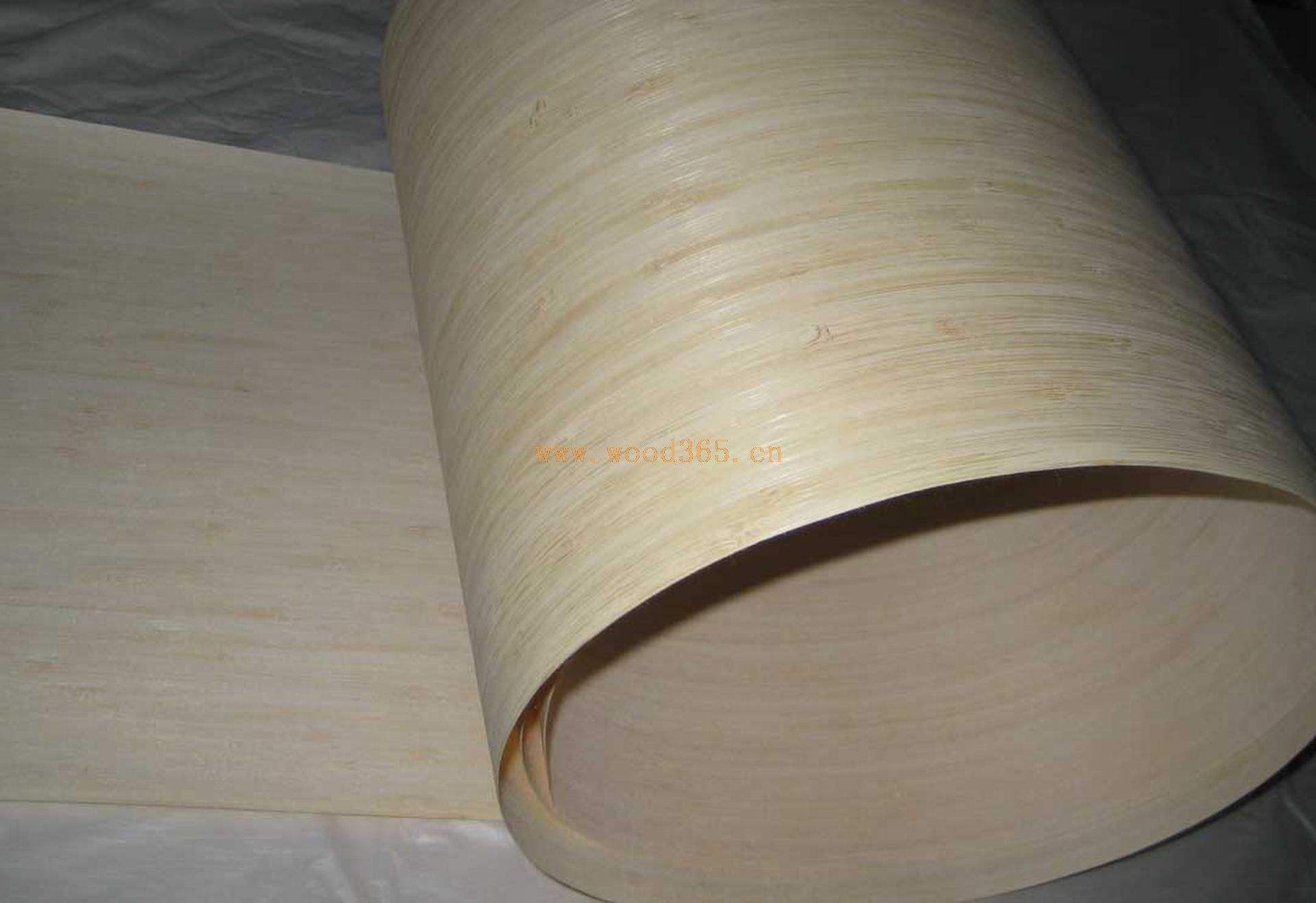
The door and panel industry has long been shaped by tradition. Solid hardwood, plywood, MDF, and laminates have each played defining roles in how interiors and exteriors are designed and constructed. Yet, as manufacturing priorities shift toward sustainability, efficiency, and design flexibility, materials that once seemed secondary are stepping into a more prominent position. Among them, bamboo veneer stands out not merely as an alternative, but as a forward-looking solution that aligns with evolving demands across architecture, furniture making, and industrial production.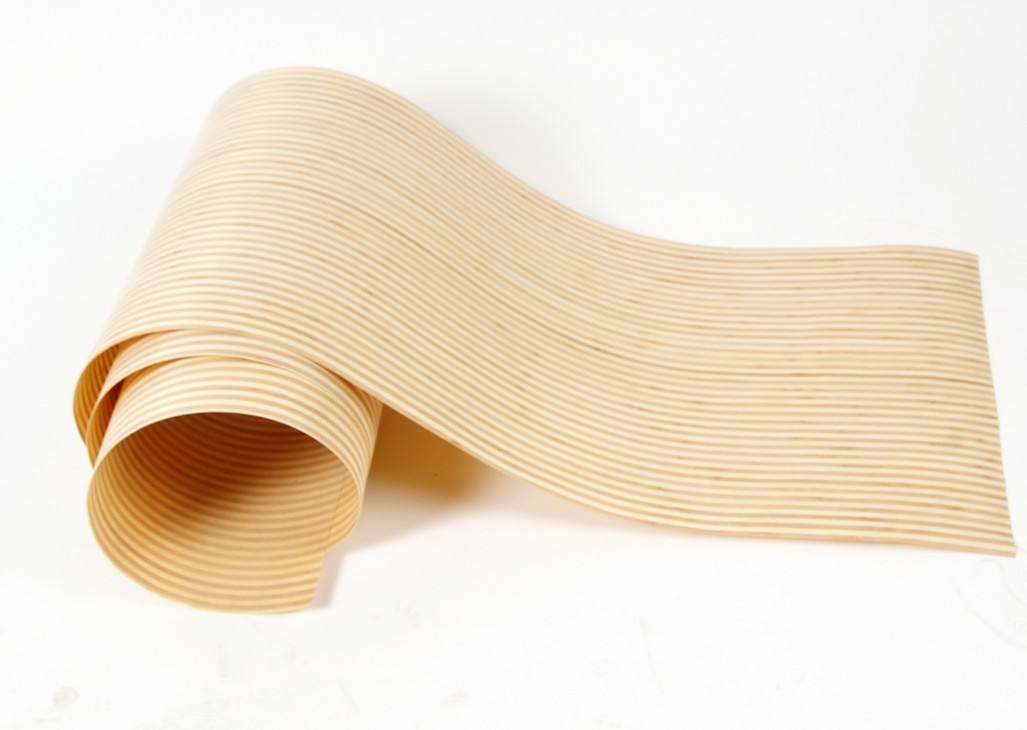
Bamboo veneer is no longer confined to niche applications or environmentally focused projects. Its rise reflects broader changes in how materials are sourced, processed, and valued. What was once appreciated mainly for its ecological advantages is now being recognized for its structural consistency, visual appeal, and adaptability in modern manufacturing systems.
Rethinking Raw Materials in Panel Production
Traditional wood-based panels rely heavily on slow-growing hardwood species or resource-intensive composites. While these materials have proven reliable, they come with limitations. Hardwood availability is increasingly constrained due to environmental regulations and deforestation concerns. Engineered boards, while consistent, often rely on adhesives and resins that raise questions about emissions and long-term sustainability.
Bamboo presents a fundamentally different model. As a rapidly renewable resource, it can be harvested in cycles as short as three to five years without killing the plant. This regenerative quality shifts the conversation from extraction to cultivation. For manufacturers, it introduces a more predictable and scalable raw material pipeline, less vulnerable to the volatility that affects traditional timber markets.
When processed into veneer, bamboo offers a uniformity that is particularly valuable in door and panel production. Unlike many wood species that vary significantly in grain and density, bamboo’s fibrous structure allows for consistent slicing and layering. This consistency reduces waste, improves yield rates, and simplifies quality control during manufacturing.
Performance Meets Precision
Doors and panels are not merely decorative elements; they are functional components that must meet structural and durability standards. Warping, cracking, and moisture sensitivity are persistent challenges in traditional materials, especially in environments with fluctuating humidity.
Bamboo veneer addresses these concerns through its inherent stability. Its fiber composition provides high tensile strength, and when laminated onto substrates such as plywood or MDF, it enhances the overall performance of the finished product. The result is a panel that maintains its shape over time, even under demanding conditions.
Another advantage lies in machinability. Bamboo veneer can be cut, pressed, and finished with precision, making it well-suited for modern CNC-based production lines. This compatibility allows manufacturers to integrate bamboo into existing workflows without significant retooling, which lowers the barrier to adoption.
Surface finishing also benefits from bamboo’s characteristics. Its smooth texture accepts stains, oils, and lacquers evenly, enabling a wide range of aesthetic outcomes. From natural, light-toned finishes to darker, carbonized appearances, bamboo veneer supports diverse design languages without compromising performance.
Aesthetic Versatility and Market Appeal
Design trends have shifted toward materials that convey authenticity while maintaining a contemporary edge. Bamboo veneer fits comfortably within this space. Its linear grain pattern offers a clean, modern look that complements minimalist interiors, while its natural origin appeals to those seeking warmth and organic texture.
In door manufacturing, this versatility translates into a broader product portfolio. Flush doors, decorative panels, and architectural surfaces can all benefit from bamboo’s visual consistency. Designers are increasingly drawn to its ability to balance simplicity with character, allowing it to function as both a subtle backdrop and a focal point.
Customization is another factor driving its adoption. Bamboo veneer can be arranged in various orientations—horizontal, vertical, or cross-laminated—to create distinct visual effects. It can also be combined with other materials such as glass, metal, or high-pressure laminates, expanding design possibilities without complicating production processes.
Sustainability as a Practical Advantage
Environmental considerations are no longer peripheral; they are central to decision-making across the construction and manufacturing sectors. Certifications, carbon footprints, and lifecycle assessments are influencing material choices at every stage.
Bamboo veneer offers tangible benefits in this context. Its rapid growth rate and ability to regenerate without replanting reduce pressure on natural forests. Additionally, bamboo cultivation often requires fewer pesticides and less intensive management compared to traditional timber plantations.
From a manufacturing perspective, bamboo’s efficiency extends beyond raw material sourcing. Its high yield during processing means less waste, and its compatibility with low-emission adhesives can contribute to improved indoor air quality in finished products. These attributes align with green building standards and certification systems, making bamboo veneer an attractive option for projects aiming to meet stringent environmental criteria.
Economic Considerations and Scalability
Cost remains a decisive factor in material selection. While bamboo veneer was once perceived as a premium or specialized option, increased production capacity and improved processing technologies have made it more competitive. In many cases, it offers a balance between affordability and performance that is difficult to achieve with traditional hardwood veneers.
Scalability is equally important. As demand grows, suppliers have expanded their operations, ensuring a more stable supply chain. This development is critical for large-scale door and panel manufacturers who require consistent volumes and reliable delivery schedules.
Moreover, the efficiency of bamboo processing contributes to overall cost savings. Reduced waste, faster growth cycles, and streamlined manufacturing processes all play a role in lowering production expenses over time. These factors position bamboo veneer not just as an environmentally responsible choice, but as a commercially viable one.
Integration with Modern Manufacturing Trends
The door and panel industry is undergoing a quiet transformation driven by automation, digital design, and precision engineering. Materials that can adapt to these trends are more likely to define the next phase of development.
Bamboo veneer aligns well with these advancements. Its uniform structure supports automated slicing and layering, while its dimensional stability ensures predictable behavior during machining and assembly. This reliability is essential in high-speed production environments where even minor inconsistencies can lead to significant losses.
Digital design tools also benefit from bamboo’s consistency. When designers specify bamboo veneer in their models, they can anticipate how it will behave in real-world applications, reducing the gap between concept and execution. This predictability enhances collaboration between designers, engineers, and manufacturers.
Challenges and Considerations
While bamboo veneer offers numerous advantages, its adoption is not without challenges. Awareness remains uneven across different markets, and some manufacturers may be hesitant to move away from familiar materials. Education and demonstration are key to addressing these concerns.
There are also technical considerations related to processing and finishing. Bamboo’s density and fiber orientation require specific handling techniques to achieve optimal results. However, these challenges are increasingly well understood, and suppliers often provide guidance to support manufacturers during the transition.
Quality variation can occur if sourcing is inconsistent, making supplier selection an important factor. As the market matures, standards and certifications are helping to ensure reliability and transparency, further strengthening confidence in bamboo-based products.
Expanding Applications Beyond Traditional Uses
The role of bamboo veneer is expanding beyond conventional door skins and flat panels. It is finding applications in curved surfaces, acoustic panels, and even structural components when combined with advanced substrates. This versatility opens new opportunities for innovation in both residential and commercial settings.
In hospitality and retail environments, where design impact and durability are equally important, bamboo veneer offers a compelling combination of aesthetics and performance. Its ability to maintain appearance under heavy use makes it suitable for high-traffic areas, while its natural appeal enhances the overall ambiance.
Furniture manufacturers are also exploring its potential, integrating bamboo veneer into cabinetry, shelving, and decorative elements. This cross-industry adoption reinforces its position as a material that can meet diverse requirements without compromising on quality or sustainability.
Looking Ahead
The trajectory of door and panel production points toward materials that can deliver on multiple fronts: environmental responsibility, manufacturing efficiency, and design flexibility. Bamboo veneer meets these criteria in a way that feels both practical and forward-thinking.
Its growth is supported by tangible advantages rather than abstract ideals. Faster renewability, consistent performance, and compatibility with modern production methods make it a logical choice for manufacturers seeking to remain competitive in a changing landscape.
As more companies invest in bamboo processing and innovation, the material is likely to become even more refined. Improvements in treatment methods, bonding technologies, and surface finishes will continue to enhance its capabilities, expanding its role in the industry.
The shift toward bamboo veneer is not a passing trend but part of a broader realignment in how materials are valued and utilized. For door and panel production, it represents a step toward a more balanced approach—one that respects environmental constraints while embracing technological progress and design evolution.