
china bamboo flooring supplier
china bamboo flooring supplier
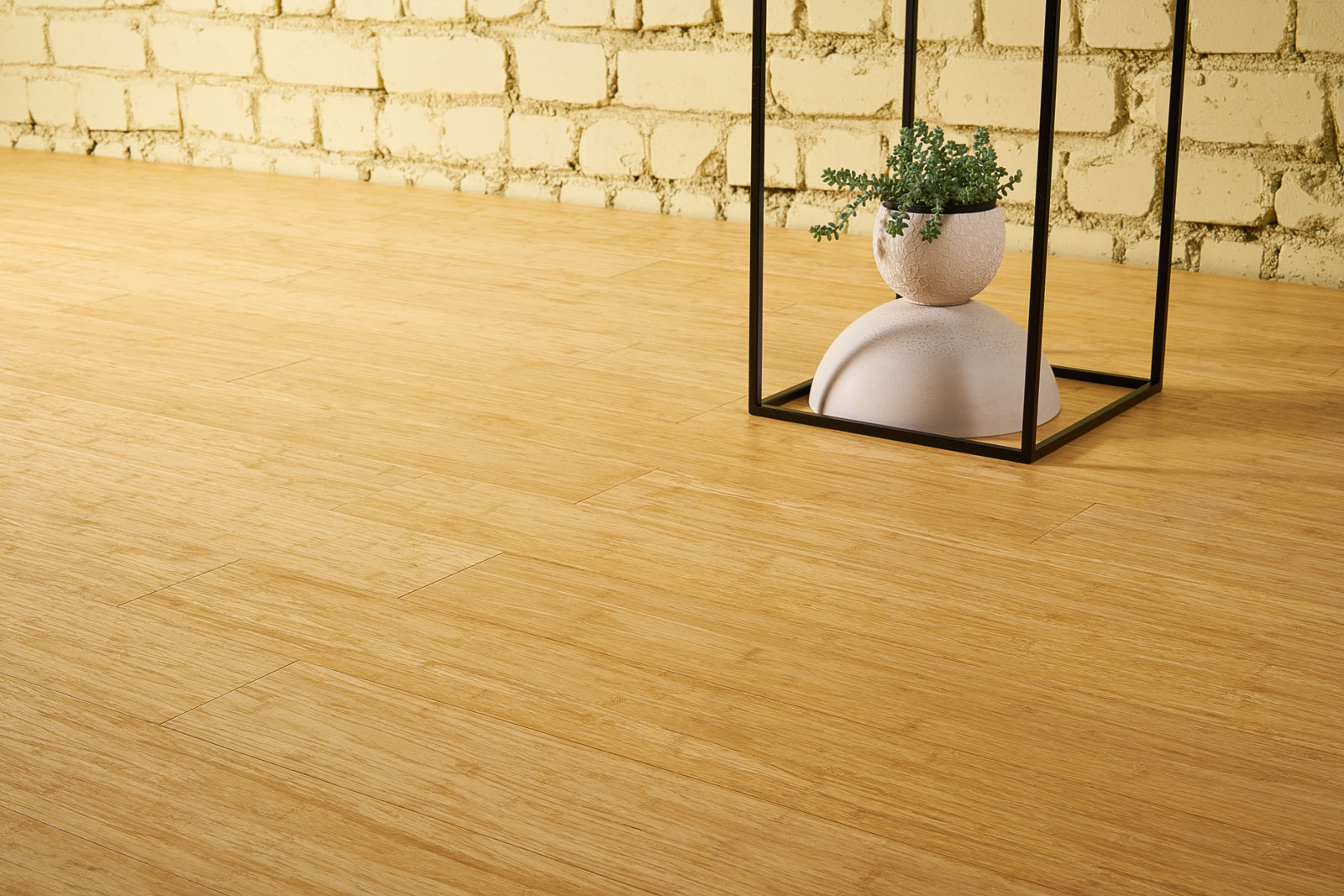
Compressed bamboo flooring, often known as strand woven bamboo, has become a preferred choice for homeowners and builders who want durability, natural aesthetics, and a more sustainable alternative to traditional hardwoods. Its strength is widely recognized, but one topic continues to attract attention: how well it performs in humid climates.
Regions with high humidity—tropical zones, coastal areas, and homes with limited ventilation—pose challenges for most wood‑based materials. Moisture in the air influences expansion, contraction, surface stability, and long‑term appearance. Understanding how compressed bamboo responds helps buyers make informed decisions and installers plan for reliable performance. This blog explores what makes compressed bamboo behave differently from ordinary bamboo flooring, how the manufacturing process affects its moisture stability, and what real‑world performance looks like in varying levels of humidity.
Compressed bamboo flooring stands apart from traditional horizontal or vertical bamboo because of its structure. Instead of using sliced strips glued side by side, the manufacturing process breaks the culm into fibers, mixes them with high‑strength resin, and compresses them under extreme pressure. This creates a panel with density much higher than natural bamboo.
Key attributes that make compressed bamboo distinctive include:
This engineered configuration has a significant influence on how the flooring behaves when exposed to humidity.
Bamboo is a natural material, and like any wood‑based product, it responds to ambient moisture. Fibers absorb water when humidity rises and release it when humidity drops. Excessive changes in moisture levels can cause expansion, cupping, or gapping. What sets compressed bamboo apart is how its dense fiber matrix and resin content reduce the amount of movement compared to traditional bamboo or many hardwood species.
While no flooring made from natural fibers is completely unaffected by humidity, compressed bamboo generally reacts more predictably and moderately. Its moisture sensitivity still exists—it is simply controlled more effectively through manufacturing.
The manufacturing process of compressed bamboo flooring significantly influences how it behaves in humid climates.
Before compression, bamboo fibers are boiled or carbonized to remove sugars. This reduces susceptibility to microbial growth and lowers moisture‑absorbing components. After treatment, the fibers undergo kiln drying until a precise moisture level is reached. This step lays the foundation for stability, as fibers with unequal moisture content can move unpredictably.
During compression, fibers interlock while resin fills gaps and bonds the mass tightly. The resin reduces the ability of fibers to absorb water, lowering the overall expansion rate. This is one of the reasons compressed bamboo generally performs better than untreated hardwood in humidity‑rich environments.
Compressed bamboo can reach densities exceeding 1,000 kg/m³. Higher density naturally decreases the space available for moisture ingress. Along with the dual effect of resin and fiber orientation, the dense structure offers greater resistance to swelling.
Different types of humidity exposure influence flooring performance. Compressed bamboo has strengths in several areas, but it still benefits from proper installation and environmental control.
Seasonal humidity changes can cause movement in any natural flooring. Compressed bamboo typically expands and contracts at a lower rate than traditional bamboo or many softwoods. Homes with air conditioning or moderate ventilation often see minimal movement.
In tropical climates, the challenge is persistent high moisture levels rather than fluctuation. Compressed bamboo can handle these conditions if the building has proper airflow and if the installation allows for expansion. Without air movement, any flooring may swell over time, including dense bamboo.
Moisture vapor rising from concrete is one of the most common causes of flooring problems. Compressed bamboo is dense but still needs protection from excessive moisture. When installed over concrete, vapor barriers or sealers are essential to prevent cupping, buckling, or discoloration.
Compressed bamboo resists minor spills and routine cleaning well. However, standing water should not remain on the surface for extended periods. In humid climates, proper cleaning habits support both the finish and the structural integrity of the flooring.
Understanding comparisons helps clarify where compressed bamboo excels.
Compressed bamboo outperforms traditional horizontal or vertical bamboo in nearly every humidity‑related category. Traditional bamboo contains more voids and has less resin, making it more reactive to moisture.
In humid climates, many hardwoods expand noticeably. Species like maple or beech can show significant movement. Compressed bamboo often performs more predictably than hardwoods with less dimensional stability.
Engineered wood with a plywood core provides excellent stability. Compressed bamboo is comparable in many cases, and sometimes superior, depending on the core quality of the engineered product.
Laminate floors resist humidity in the air but fail quickly with direct moisture exposure. Compressed bamboo handles both conditions better but requires a finish that protects it from water penetration.
Even the best material can show problems if not installed properly. In humid areas, installers generally follow several guidelines to optimize performance.
Compressed bamboo usually requires less acclimation time than traditional bamboo, but manufacturers still recommend letting boards rest in the installation environment. This allows moisture content to equalize with the surroundings.
Concrete installations benefit from sealers or underlayment barriers. In tropical regions, this step becomes essential rather than optional.
Leaving adequate expansion space at the perimeter accommodates the natural movement of the boards. Tight installations without gaps risk buckling.
Proper ventilation beneath raised floors or inside the room prevents humid air from trapping moisture around the flooring.
High‑quality adhesives designed for wood flooring in humid climates help prevent movement or debonding. Compressed bamboo’s density requires strong bonding strength.
Homeowners often want to know what compressed bamboo looks like after ten or twenty years in a humid environment. Real‑world use shows several consistent patterns.
When installed correctly and maintained with moderate humidity control, compressed bamboo maintains stable dimensions over the long term. Minor seasonal variations may occur but rarely cause structural issues.
Humidity affects finishes more than the core material. Quality UV‑cured coatings hold up well to moisture in the air, though regular cleaning is still recommended. Low‑quality finishes can show cloudiness or wear more quickly.
Because the sugars are removed during processing and resin occupies much of the internal space, compressed bamboo is less prone to mold than many natural wood species. However, constant standing moisture on or beneath the boards can still cause problems.
Sunlight and humidity can influence color over time. Like hardwood, compressed bamboo may gradually mellow or darken depending on the finish and room conditions. This natural aging is not a structural concern.
Compressed bamboo requires similar maintenance to hardwood flooring, with a few points especially relevant in humid areas.
These practices support both the appearance and longevity of the flooring.
Compressed bamboo offers a combination of high density, strong bonding, and reduced moisture reactivity that makes it a reliable option for humid regions. The material’s engineered structure controls movement better than traditional bamboo and many hardwoods, giving homeowners confidence in long‑term performance.
When paired with proper installation techniques and reasonable maintenance, compressed bamboo flooring can remain stable, attractive, and functional for decades—even in climates where humidity challenges most wood‑based products.