
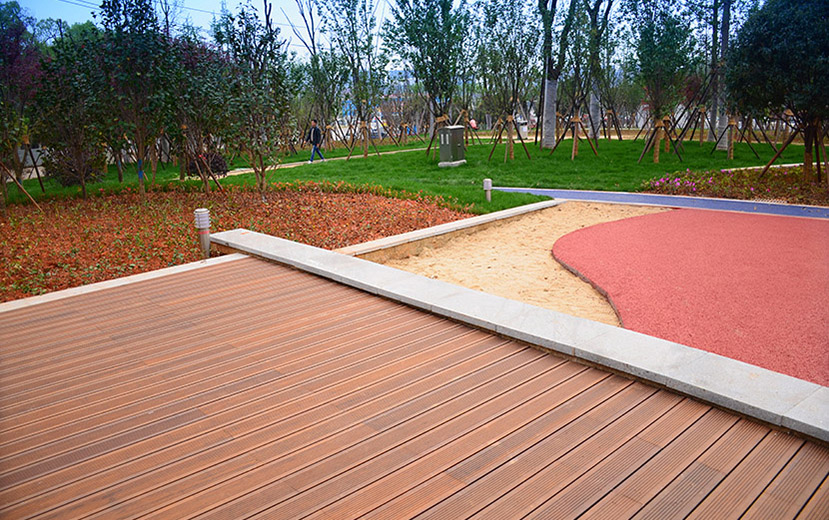
Property owners, real estate developers, and portfolio managers constantly seek building materials that optimize capital expenditures while delivering strong long-term returns. In both multi-family residential complexes and single-family rental portfolios, outdoor amenities play a pivotal role in tenant attraction and rental rate optimization. A well-designed outdoor patio, rooftop lounge, or private deck expands usable living space, creating a distinct competitive edge in crowded rental markets.
However, selecting materials for rental properties requires a sharp focus on durability, lifecycle cost, maintenance frequency, and tenant liability. Traditional softwoods require constant labor and refinishing, while high-end tropical hardwoods come with prohibitive upfront costs. Capped composite options offer low routine cleaning needs but can retain uncomfortable surface heat and carry premium price tags. High-density strand-woven bamboo decking has emerged as a compelling alternative for commercial real estate investors. Analyzing its financial return, physical performance metrics, tenant appeal, and long-term maintenance profile reveals whether this material represents a sound financial decision for rental real estate.
The Rental Property Dilemma: Balancing Capital Expenditure and Longevity
Managing rental real estate requires evaluating every building component through the dual lenses of initial capital investment and operational expense. Outdoor deck structures in rental units face significantly harsher treatment than those in owner-occupied homes. Tenants rarely exercise the same degree of care as property owners. High-heeled shoes, dragged patio furniture, uncleaned spills, heavy foot traffic, and neglected seasonal care can quickly deteriorate lower-grade materials.
When a rental deck degrades, it presents multiple financial liabilities for the property owner:
Accelerated Capital Replacement: Cheap pressure-treated pine decks often show severe checking, warping, and splintering within three to five years, forcing premature capital replacement.
Continuous Maintenance Outlays: Softwood decks require annual power washing, sanding, staining, and board replacements to remain safe and presentable, eating directly into net operating income.
Tenant Injury Liability: Loose splinters, popping screw heads, warped boards that create tripping hazards, and slippery wet surfaces expose landlords to legal liability and insurance claims.
Vacancy and Reduced Rental Rates: A weathered, deteriorating outdoor space detracts from curb appeal, extending vacancy periods between leases and driving down tenant renewal rates.
Evaluating strand-woven bamboo requires determining how well its physical attributes mitigate these operational risks.
Financial Analysis: Upfront Costs Versus Lifecycle Return
Evaluating the financial viability of exterior bamboo begins with a transparent assessment of material and installation expenses compared to alternative decking options.
Upfront Procurement and Installation Economics
In terms of initial material acquisition, high-density exterior bamboo sits comfortably in a mid-to-high market bracket. Raw board costs generally range between eight and twelve dollars per square foot. This pricing makes bamboo substantially more affordable than premium tropical hardwoods like Ipe, while remaining competitive with mid-tier capped composite decking lines.
When factoring in specialized hidden fastening clip systems, structural joist framing, and professional installation labor, total installed costs typically range between thirty and fifty-five dollars per square foot.
The True Lifecycle Advantage
Where high-density bamboo demonstrates its value to property managers is across a ten-to-twenty-year holding period. Unlike softwoods that require extensive annual maintenance or cheap composites that can sag and fade under heavy sunlight, thermally modified bamboo achieves a Durability Class 1 rating under international standards.
Because the material resists fungal rot, wood-boring insects, and severe water absorption, its structural lifespan easily reaches twenty-five to thirty years. Amortizing the initial installed cost over a twenty-year holding period yields an exceptionally low annual cost per square foot, outperforming softwoods that require complete replacement mid-way through the same timeframe.
Increasing Net Operating Income and Property Valuation
Outdoor living spaces are proven revenue drivers in residential leasing. Adding a high-quality private deck or communal rooftop patio to a rental property allows landlords to command premium monthly rents. Market data indicates that upgraded outdoor amenities can increase monthly rental rates by five to twelve percent depending on the market segment.
Furthermore, capital improvements that enhance the physical structure and aesthetic appeal of a property increase its overall appraisal value. When refinancing a rental portfolio or preparing assets for sale, durable, high-density outdoor features signal strong asset management to lenders and prospective buyers alike.
Physical Durability in High-Traffic Rental Environments
Understanding why strand-woven bamboo holds up to tenant use requires looking at its engineering properties.
Janka Hardness and Impact Resistance
The Janka hardness test measures a material resistance to surface indentation, gouging, and physical wear. Standard pressure-treated pine carries a Janka rating of roughly 690 pounds-force, while Oak registers around 1,200 to 1,300 pounds-force. Tropical Ipe reaches approximately 3,680 pounds-force.
High-density strand-woven bamboo achieves Janka hardness ratings between 3,800 and 4,000 pounds-force. This extreme physical density prevents surface denting from heavy outdoor furniture, grill legs, high heels, and pet claws. For landlords, this means the deck surface maintains a smooth, undamaged appearance across multiple tenant lease cycles without requiring heavy sanding or surface repairs.
Dimensional Stability Across Changing Seasons
Tenant complaints often stem from doors sticking against expanding deck surfaces or boards twisting and popping loose from joists. Through thermal modification, internal sugars are removed and plant fibers are compressed under thousands of tons of pressure, reducing moisture absorption pathways.
With thickness swelling rates under one percent during water immersion tests, strand-woven bamboo remains dimensionally stable through heavy rain, snow, and hot summer sun. Fasteners remain firmly anchored, board gaps stay uniform, and structural integrity remains intact year after year.
Fire Safety Compliance and Tenant Risk Mitigation
Fire safety is a paramount concern for multi-family property owners and commercial landlords. Balcony fires caused by stray barbecue embers or discarded smoking materials present catastrophic risks to real estate assets.
Untreated natural wood decking generally falls into a Class C fire rating, burning rapidly when exposed to open flames. Capped composite materials containing synthetic plastics can melt and drop flaming drip particles. High-density strand-woven bamboo inherently achieves a Class A flame spread rating under ASTM E84 testing, as well as a European Bf1-s1 rating.
The extreme density restricts oxygen penetration, allowing the material to char slowly rather than ignite quickly. This Class A rating satisfies strict municipal building codes for urban apartments, rooftop decks, and multi-family balconies without requiring secondary chemical flame-retardant coatings.
Slip Resistance and Reduced Landlord Liability
Tenant slip-and-fall injuries on wet outdoor walkways represent a major liability risk for property management companies. Rainwater pooling on smooth, non-porous surfaces creates hazardous conditions around pool decks and building entryways.
Exterior bamboo boards are manufactured with brushed smooth faces or reeded, grooved surface profiles that optimize footwear traction. Under pendulum slip resistance testing, grooved bamboo surfaces achieve high friction values that easily pass public safety guidelines for wet commercial spaces. Equipping rental units with slip-resistant surfaces mitigates injury risks and protects property owners from costly liability claims.
Maintenance Protocols for Property Management Teams
A primary concern for any landlord considering natural materials is the labor required to keep them looking good. While softwoods require labor-intensive stripping, sanding, and repainting every few seasons, high-density bamboo simplifies property management protocols.
Color Retaining Options for Lease Transitions
Like exotic hardwoods, strand-woven bamboo reacts organically to sunlight. Left unoiled, direct UV exposure will lightens the rich brown surface into a distinguished silver-gray patina over six to twelve months. This natural graying is purely cosmetic and does not affect the structural strength or rot resistance of the core material.
For property managers who prefer a low-maintenance strategy, leaving the deck to age into a silver patina eliminates regular staining costs entirely. The only required upkeep is a simple wash with water and a neutral cleaner during turnover inspections to clear away surface dirt and leaves.
If maintaining the warm, original espresso tone is preferred to maximize rental listing photos, maintenance remains straightforward. Property care teams simply wash the surface and apply a light coat of penetrating exterior oil once every twelve to twenty-four months. Because the material does not absorb water easily, no heavy sanding or chemical stripping is required before re-oiling.
Environmental Sustainability and Green Marketing
Today's tenant demographic, particularly younger professionals in urban centers, prioritizes environmentally responsible living spaces. Marketing a property with sustainable building credentials can shorten vacancy periods and attract high-quality tenants who value green design.
Moso bamboo reaches full structural maturity in just four to five years, compared to fifty to one hundred years for hardwood trees. Harvesting mature culms leaves the underground root network intact, allowing new shoots to grow rapidly without soil erosion or replanting. By choosing renewable, carbon-storing bamboo over scarce tropical timber or petroleum-derived plastics, property owners can highlight authentic green credentials in their rental listings and property marketing collateral.
Making the Investment Decision
When evaluating outdoor decking for rental properties, high-density strand-woven bamboo delivers a compelling combination of commercial-grade performance and financial value. Its Class A fire rating, extreme Janka hardness, low slip potential, and exceptional dimensional stability directly address the physical risks associated with tenant use. Combined with competitive installation costs and minimal long-term maintenance requirements, exterior bamboo represents a smart, high-return investment for forward-thinking real estate portfolios.
About Bothbest
Bothbest is a leading factory manufacturer of high-quality bamboo flooring and bamboo decking based in China. With extensive production experience and advanced processing technology, Bothbest delivers durable, eco-friendly bamboo products to global clients, offering customized solutions for residential, commercial, and outdoor architectural projects around the world.