
Interior design trends have shifted noticeably toward creating tranquil, restorative bedrooms that emphasize clean aesthetics, organic textures, and durable construction. Homeowners, interior architects, and hospitality designers are increasingly turning away from cheap particleboard furniture and heavy synthetic materials in favor of natural elements that promote indoor wellness and long-term value. Among the various choices available for bedroom furniture, bamboo headboards and bed frames have gained significant recognition. They offer a unique combination of exceptional structural durability, timeless natural warmth, and remarkable environmental sustainability.
The Evolution of Bamboo in Modern Bedroom Furniture
For generations, bamboo furniture was often associated with casual outdoor patio sets, tropical resort décor, or lightweight rustic accessories. Traditional bamboo construction involved whole or split bamboo poles bound together with rattan ties, creating an aesthetic that catered primarily to niche, bohemian, or coastal interior styles.
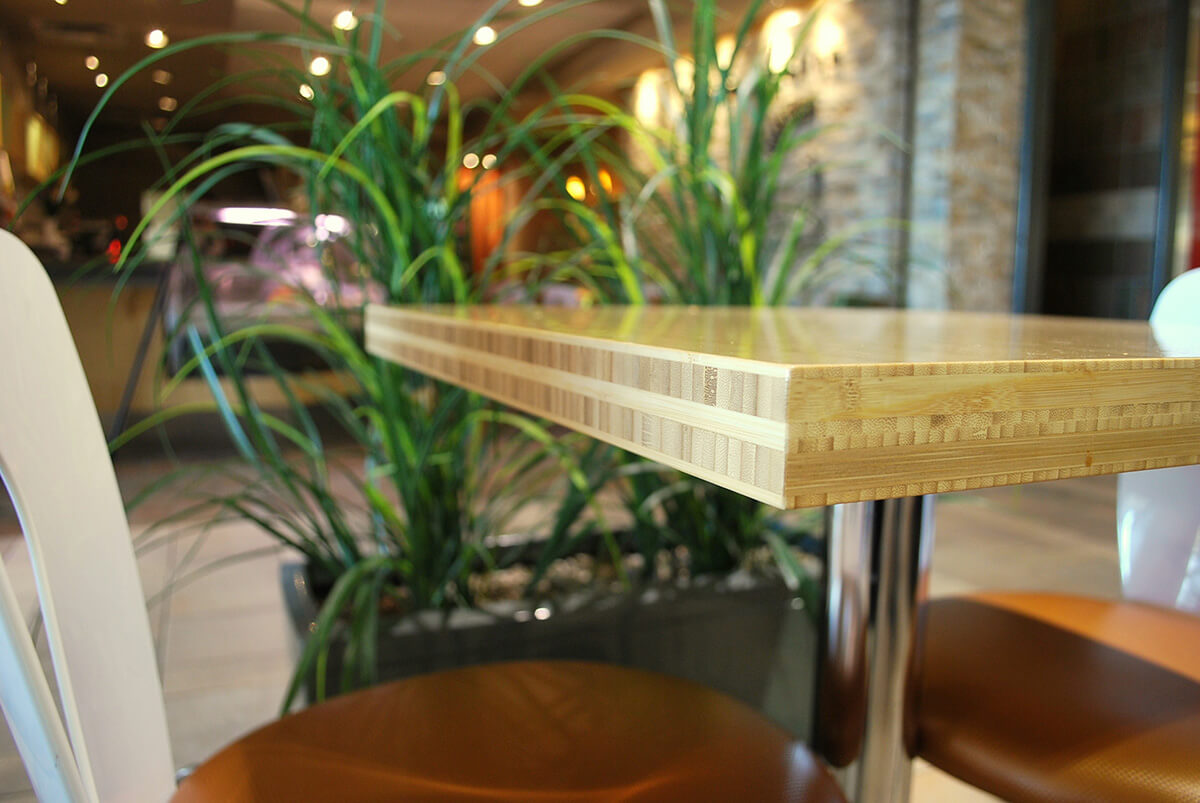
However, modern woodworking technology and engineering have redefined how bamboo is used in high-end furniture manufacturing. By processing mature Moso bamboo culms into precisely planed strips, kiln-drying them to controlled moisture levels, and laminating them under immense pressure, manufacturers produce high-density engineered bamboo lumber and panels. This engineered material retains the organic beauty and distinctive grain character of natural bamboo while delivering dimensional stability, uniform strength, and structural performance that rivals or exceeds traditional hardwoods like oak, walnut, and maple.
When integrated into modern bed frames and headboards, engineered bamboo delivers sleek architectural profiles, smooth tactile finishes, and sophisticated visual warmth. Whether designed with minimalist Scandinavian lines, contemporary mid-century silhouettes, or elegant Asian-inspired elements, bamboo bedroom furniture blends seamlessly into diverse architectural settings.
Structural Strength and Long-Term Durability
The central foundation of any quality bed frame is its ability to support substantial weight without flexing, creaking, sagging, or developing structural looseness over time. A bed frame must endure constant daily dynamic loads, supporting heavy mattresses, box springs, and occupants night after night.
Bamboo possesses physical characteristics that make it uniquely suited for structural furniture framing. From a biological standpoint, bamboo is a giant grass whose longitudinal vascular fibers run uninterrupted along the length of the stalk. These long, continuous fibers provide remarkable tensile strength, giving raw bamboo a higher strength-to-weight ratio than structural steel in tension. When processed into laminated boards or strand-woven panels, these interlocking fibers create a dense, rigid matrix capable of bearing heavy structural loads with minimal deflection.
Engineered bamboo bed frames display exceptional resistance to splitting, checking, and warping. Traditional solid hardwood bed rails can expand or contract significantly in response to seasonal shifts in ambient indoor humidity, leading to squeaky joints, loose bolt connections, and cracked headboard panels. In contrast, kiln-dried bamboo panels maintain strict dimensional stability. The lamination process cross-aligns fiber layers or fuses dense strand-woven fibers, drastically reducing internal material tension. As a result, bamboo bed frames remain square, silent, and structurally sound through years of continuous use.
Additionally, high-density bamboo materials exhibit impressive surface hardness. Strand-woven bamboo, for instance, achieves a Janka hardness rating that significantly surpasses North American red oak, hard maple, and Brazilian cherry. This high level of surface density makes bamboo headboards and bed frames resistant to minor scratches, dents, scuffs, and impact marks caused by moving heavy items or daily wear. For families with active children, pet owners, or boutique hotel operators, this surface resilience ensures that bedroom furniture retains its pristine appearance indefinitely.
Bringing Natural Warmth and Wellness into the Bedroom
Beyond structural durability, the physical aesthetic of bedroom furniture plays an essential role in shaping the atmosphere of a sleeping sanctuary. The bedroom is a space dedicated to rest, recovery, and quiet reflection. Incorporating natural organic materials into interior spaces has been shown to reduce stress, lower heart rates, and foster a sense of psychological comfort, a design philosophy widely recognized as biophilic design.
Bamboo headboards and bed frames bring an authentic, calming organic warmth to bedroom spaces. Natural bamboo features a distinct, delicate grain pattern characterized by soft parallel lines, subtle growth nodes, and an inviting light amber hue. When illuminated by soft bedside lighting or natural morning sunlight through a window, bamboo surfaces reflect light gently, creating a warm, cozy ambience that synthetic laminates and cold metal frames simply cannot match.
Furthermore, bamboo furniture offers exceptional versatility in color and finish options. Through controlled thermal treatment known as carbonization, raw bamboo strips can be caramelized without artificial stains or dyes. During carbonization, the natural sugars present inside the bamboo fibers are cooked under high-temperature steam, altering the color of the material completely through its depth. This process yields rich, warm tones ranging from warm honey and golden amber to deep mocha and espresso brown. Because the color change occurs throughout the material rather than sitting on the surface, light scratches or minor surface wear will not expose a different underlying color.
Designers can choose from a variety of headboard styles to set the visual tone for the entire room. Solid panel headboards highlight the continuous grain and node detailing of multi-ply bamboo panels, creating a bold, serene focal point behind the bed. Slatted or spindle headboards allow light and air to pass through, making smaller bedrooms feel spacious, light, and airy. Upholstered bamboo headboards combine dense bamboo outer frames with soft natural linen or wool cushions, offering an ideal blend of structured warmth and plush comfort for sitting up to read or work.
Environmental Benefits and Sustainable Sourcing
In an era where consumers are increasingly mindful of the ecological footprint of their purchases, bamboo stands out as one of the most environmentally responsible furniture materials available on the planet. Traditional hardwood furniture relies on timber species that require anywhere from forty to over one hundred years to reach commercial maturity. The timber harvesting process often involves clear-cutting trees, which destroys forest canopy ecosystems, causes severe soil erosion, and requires decades for forest regeneration.
Moso bamboo, the primary species used for architectural panels and high-end furniture, grows at an astonishing rate. It is recognized as one of the fastest-growing plants on Earth, with individual culms growing up to several feet in a single day under optimal climate conditions. A Moso bamboo pole reaches full structural maturity, optimal density, and maximum fiber hardness in just four to five years.
Crucially, harvesting mature bamboo culms does not kill the plant or disturb the surrounding soil structure. Bamboo grows via an extensive underground rhizome root system that continuously sends up fresh shoots year after year. When mature poles are harvested selectively, the underground root network remains alive and fully intact, stabilizing topsoil and preventing erosion. The system quickly sprouts new shoots without requiring replanting, synthetic fertilizers, or agricultural tilling.
Furthermore, a mature bamboo stand absorbs vast amounts of atmospheric carbon dioxide and produces up to thirty-five percent more oxygen than an equivalent stand of hardwood trees. Choosing bamboo headboards and bed frames supports a continuous, rapidly renewable agricultural cycle that helps alleviate pressure on vulnerable old-growth hardwood forests around the globe.
Health Benefits and Indoor Air Quality
Selecting indoor furniture made from eco-conscious materials also has a direct impact on indoor air quality. Many mass-produced wooden bed frames and headboards utilize cheap particleboard, medium-density fiberboard, or interior plywood bonded with urea-formaldehyde adhesives. Over time, these synthetic glues off-gas volatile organic compounds into the bedroom atmosphere, compromising indoor air quality and triggering allergies, respiratory discomfort, or headaches for sensitive individuals.
Quality engineered bamboo bedroom furniture is manufactured using advanced low-emission or zero-formaldehyde adhesives, such as water-based or non-toxic phenolic resins. Combined with non-toxic, water-based clear topcoats or natural oil finishes, bamboo headboards do not release harmful chemical fumes into the sleeping environment.
Additionally, bamboo fibers are naturally dense and non-porous once sealed, meaning they do not easily trap dust, pet dander, or microscopic allergens. For individuals who suffer from seasonal allergies or respiratory sensitivities, a clean, smooth bamboo bed frame and headboard offer an easy-to-clean, hypoallergenic sleeping surface that supports healthier rest.
Practical Maintenance and Care Guidelines
Maintaining the beauty and structural integrity of a bamboo headboard and bed frame is remarkably simple, requiring minimal effort over its lifespan.
For routine cleaning, simply wipe down the bamboo surfaces using a soft, dry or slightly damp microfiber cloth to remove dust and ambient lint. Avoid using harsh chemical cleaners, abrasive scouring pads, or ammonia-based sprays, as these can strip away protective topcoats or dull the natural luster of the wood finish. If a spill occurs on the bed frame, wipe it up promptly with a clean cloth.
To preserve the finish and prevent localized color shifts, position the bed frame away from direct, unshaded sunlight or intense heating vents. While carbonized and natural bamboo finishes are durable, prolonged exposure to harsh ultraviolet rays through unshaded windows can cause natural wood tones to mellow or lighten gradually over several years. Utilizing sheer curtains or blinds helps maintain consistent color across all furniture surfaces.
Every six to twelve months, it is good practice to perform a quick structural check of the bed frame. Inspect the corner brackets, side rail connectors, and central support legs, tightening any hand bolts or screws that may have loosened slightly through natural bed movement. Keeping connections tight ensures the frame remains quiet, sturdy, and rock-solid for decades.
A Lasting Investment in Comfort and Style
A bed frame and headboard represent the structural and visual anchor of any bedroom. Investing in high-quality furniture crafted from engineered bamboo delivers a balance of modern architectural sophistication, extreme physical durability, and serene organic warmth. By choosing bamboo, homeowners and designers secure a long-lasting, heavy-duty furniture piece that elevates daily living while supporting sustainable forestry and healthy indoor air quality.
Bothbest is a professional bamboo factory and supplier of high-quality bamboo flooring and bamboo decking based in China. With advanced manufacturing technology, rigorous quality control, and decades of industry experience, Bothbest supplies durable, eco-friendly strand-woven bamboo materials to distributors, contractors, and architectural projects across global markets worldwide.